
A beautiful kitchen can start to feel messy very quickly once the coffee maker, toaster, mail, vitamins, chargers, paper towels, and everything else we use daily starts taking over the countertops. The answer isn't necessarily to own less — although we are going to circle back to that. It's really about creating better places for the things you actually use.
Find Everything A Home
Clutter usually happens when things don't have a true place to live, so they end up living on the countertop along with twenty other things.
Heads up — I'm not going to give you a quick fix. A quick fix doesn't solve your clutter, it just hides it for a little while, and then the clutter finds its way right back to your kitchen counter. So if you really want to tackle it, you need to find everything a home. And to do that, you have to look beyond just the kitchen cabinets — consider your pantry, laundry room, office, or any other nearby room that offers a reasonable place for things to go.
While you're at it, open up those kitchen cabinets and drawers and take a good look at what's actually in there. I bet you'll be surprised by how many duplicates you own — or how many things you haven't used in years. Be honest: when was the last time you used that mini muffin pan?
This is your Marie Kondo moment. Ask yourself whether you actually use the item, or whether it can go to Goodwill and free up space for something you do use. Getting rid of the things you don't need makes the things you do need easier to access — and suddenly you have cabinet and drawer space available for some of what's currently living on your countertop.
Another good way to find more space is to utilize space-saving cabinet shelves or two-tiered lazy Susans. There are so many great tools out there now to make your spaces work for you. One of my favorite sites is organizingspaceswithkim.com — she lists all the products she uses for her clients, so you can see exactly how she organizes and makes the most of kitchen and pantry areas. Cabinets are tall — utilize the whole space, and you'll have a lot more room than you think.
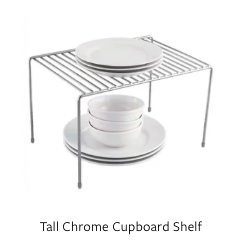
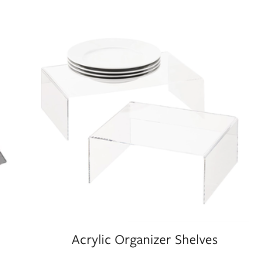
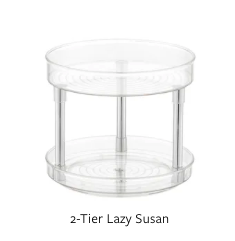
Once you've gone through the cabinets, shelves, and drawers in and around your kitchen and cleared out what you don't need, you should have a few new spots ready for the things currently crowding your countertop.
And remember what I said about looking beyond the kitchen for storage. I have a Dutch oven that lives in a cabinet above my dryer. Kind of odd? Yes. But I only use it two or three times a year, and there was perfectly good cabinet space above my dryer sitting empty — so that's where it lives now. Don't be afraid to store kitchen things outside of the kitchen. Just make sure you remember where you put them.
Don’t Forget About Your Pantry
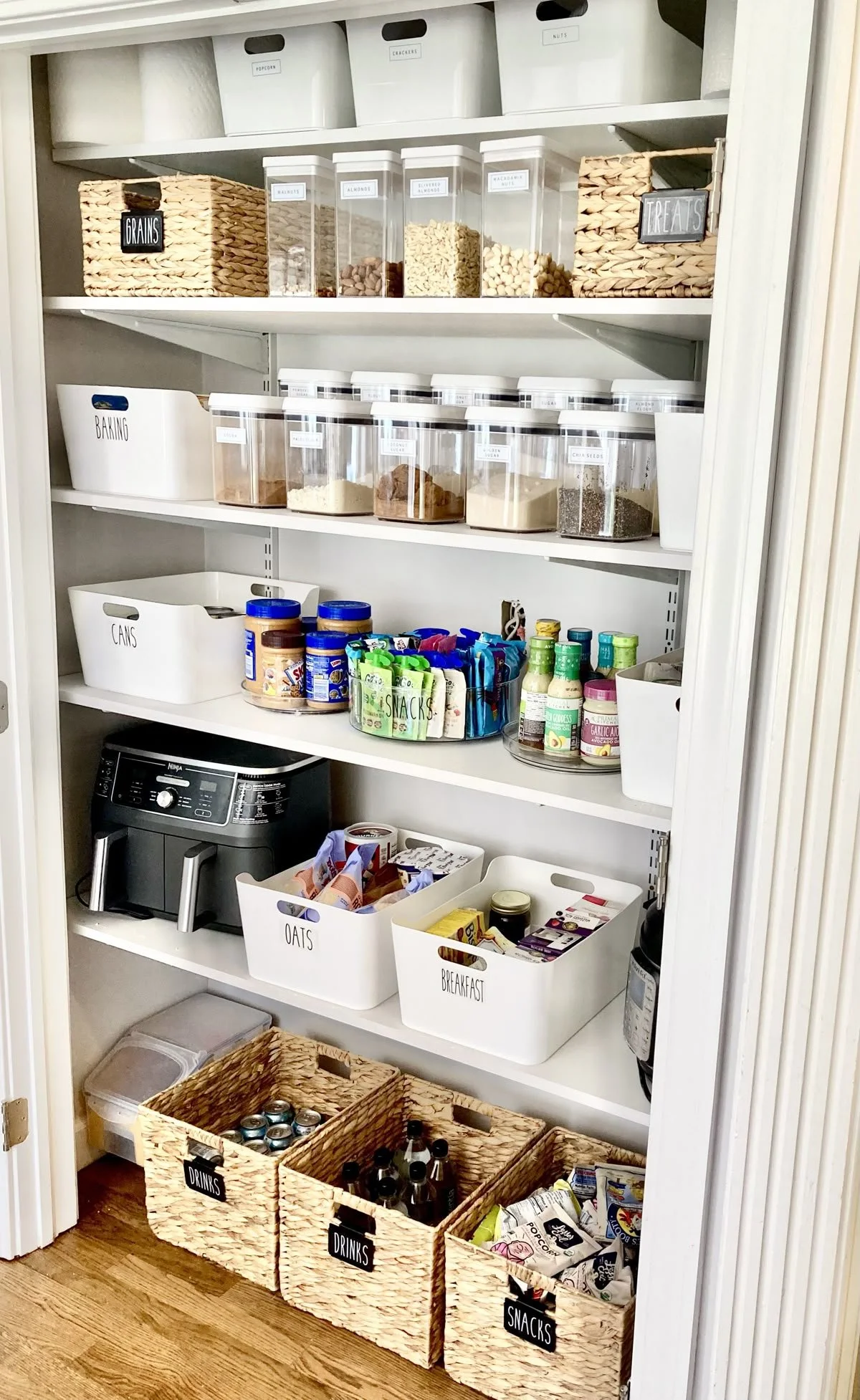
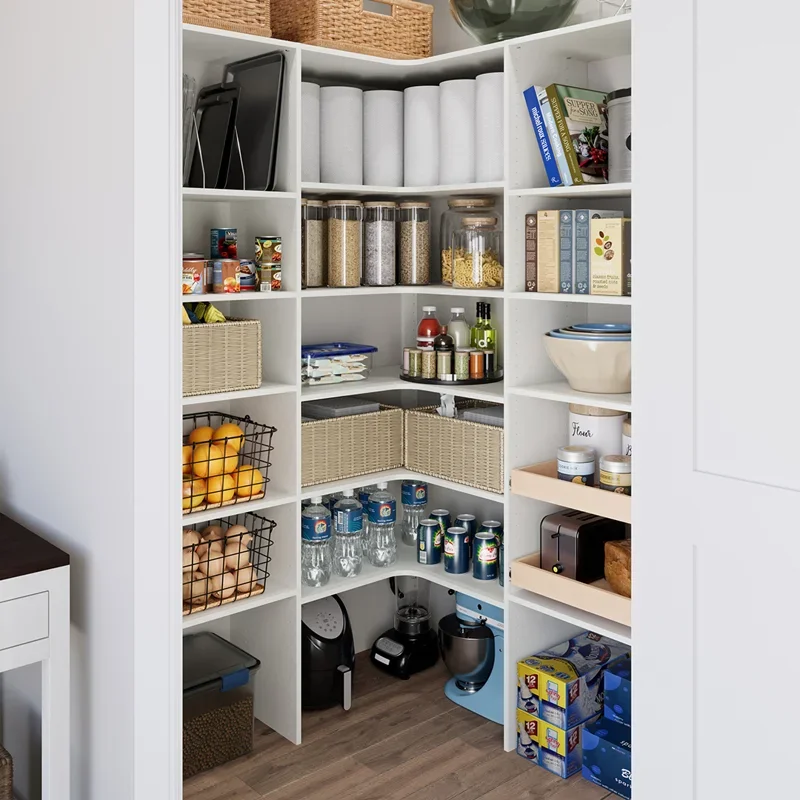
If space allows, a pantry is another great place to tuck away some of your most-used appliances, since it's right in the kitchen. If you are still low on space in your cabinets, consider putting some of the smaller, less attractive items in there — the food processor, blender, rice cooker, and so on. It's also a great spot for vitamins, medications, and all the miscellaneous items that tend to collect on the kitchen counter. You're essentially taking the things you need somewhat often and giving them a functional home just a few steps away.
Don't overlook the floor of the pantry, either — large baskets filled with paper towels or individually packaged snacks are easy to store and just as easy to grab. And what about those metal water bottles that take up so much space? Get a stackable organizer and give each one a place to live, and toss the ones you never reach for.
If you don't have a walk-in pantry, that doesn't mean you're out of options. I designed the kitchen for our Office Manager, Karen, and she didn't have room for a walk-in pantry — but she does have a cabinet with pull-out drawers. She uses bins and shelves to maximize that space, which left her room to tuck away her Crock-Pot and popcorn popper on the top shelf. Karen's kitchen is small, but she's a huge proponent of keeping everything off the counters, so finding a home for everything mattered to her more than most.
Give Paper Clutter Somewhere Else to Go
One of the biggest countertop offenders isn’t an appliance at all — it’s paper.
Mail. School forms. Receipts. Invitations. Things that need to be signed. Before you know it, there’s a little paper mountain at the end of the kitchen island.
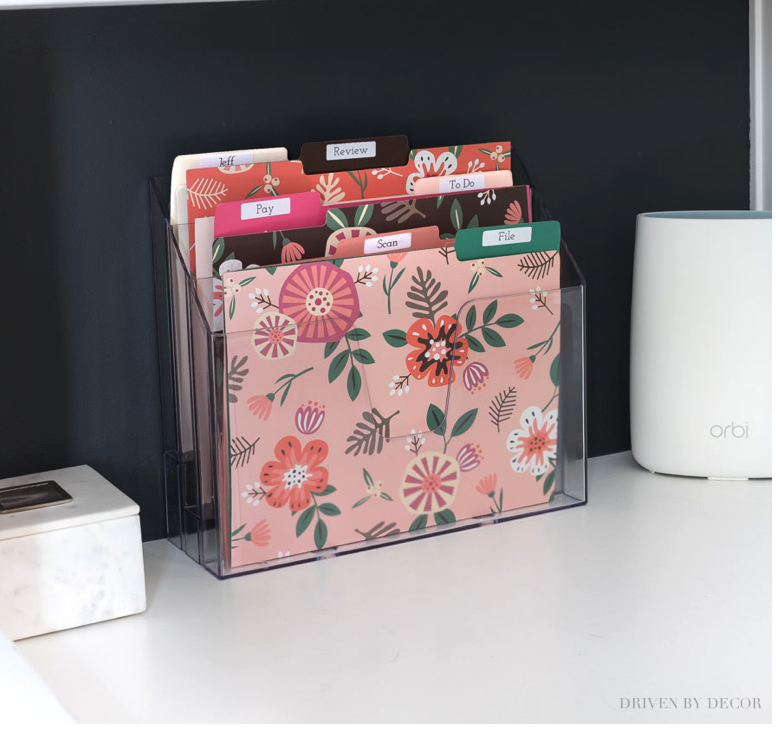
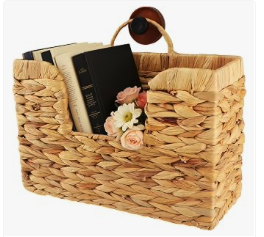
Instead of your kitchen countertop, create a landing spot somewhere else. Even if it is a designated drawer in the kitchen, that is fine, just not on the kitchen countertop. Other options are acrylic file boxes like this one (but it should live on a desk), or even a large magnet board in your mudroom. I have a metal dog I got at Wisteria that holds keys and magnets — every time an invitation comes in, or something needs to be signed or handled, it goes on the dog until it walks back out the door or into the trash. There are several options for things you can hang on a wall and put the mail in, just make sure you stay on top of it and only put things in there that matter. (Yes, I’m being a little bossy but you’ve read this far so I’m guessing you need some tough love). The exact solution matters far less than having one designated place, so you always know where to look for the important things. Your kitchen counter should not double as your filing cabinet.
Create a Charging Station
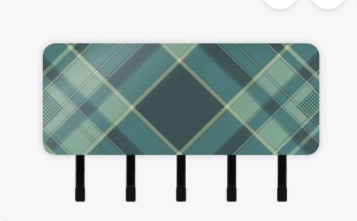
Phones, AirPods, watches, and iPads have created an entirely new category of kitchen clutter: cords. If you're designing a kitchen, consider building outlets into a drawer specifically for charging electronics. If you're not remodeling, designate one drawer, basket, or nearby surface as the official electronics zone. Again, the goal is simply to give everything a home. A wall charger or charging block that holds multiple cords in one spot works well, too. Once the whole family knows that's the place to charge a phone, watch, or AirPods, no one's dragging chargers into the kitchen and leaving cords everywhere.
My own charging station lives in our back room, on the desk. It's out of the way enough that it doesn't bother me, but accessible enough that the kids aren't tempted to plug in at the kitchen counter.
Be Realistic About What You Actually Use
Once you've found a home for everything that needs one, you'll be left with the items you use most often and genuinely want to keep on the counter. I'm not someone who believes a kitchen counter should be completely bare. If you make coffee every single morning and don't have a dedicated coffee station, it makes good sense to keep the coffee maker within easy reach. Keeping it visually appealing can be as simple as adding a coffee station organizer, like this one from Williams Sonoma. If you cook every day, maybe your olive oil, salt, and pepper deserve a pretty little spot near the range.
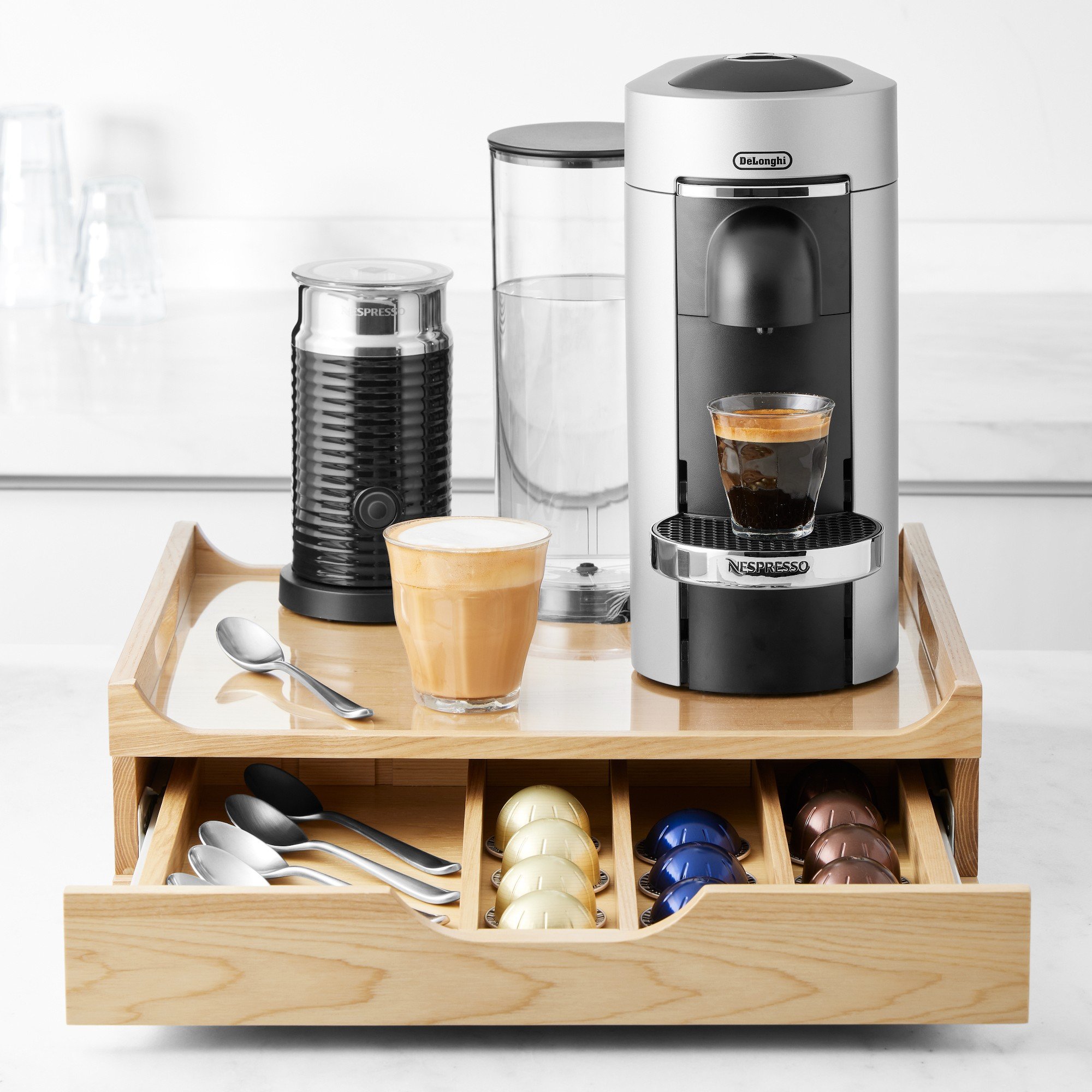
A tray can also help a group of everyday items feel intentional instead of cluttered. Three things sitting randomly on a counter can look messy. The same three things grouped together on a beautiful tray suddenly look like they belong there.
The goal isn't an empty kitchen. It's a kitchen where the things you use have been thoughtfully considered, the things you don't use every day are tucked away, and your countertops have enough breathing room for you to actually enjoy them.
Because in the end, keeping your kitchen clutter-free has a lot less to do with being perfectly organized, and a lot more to do with creating a place for the way you really live.
So, to sum things up
Find a home for the things you don't use on a regular basis
Find a home for paper and cords that isn't your countertop.
Organize the items that do live on your countertop in a visually appealing way.
Hope that is helpful! Till next time! - Kim
