
Fabric 101: What Every Homeowner Should Know
If you've ever stood in a fabric store (or scrolled through an online textile shop at midnight) feeling completely overwhelmed, you are not alone. Fabric selection is one of the most nuanced parts of interior design — and also one of the most fun, once you know what you're looking at.
Over the years I've touched thousands of fabrics. I've made great choices and I've made expensive mistakes. And what I've learned is that most homeowners aren't given the basic information they need to shop smart. So consider this your primer. No fluff, no jargon — just what you actually need to know before you buy.
First, Understand What the Fabric Has to Do
Before you fall in love with anything, ask yourself one question: what is this fabric going to live through?
A pillow on a guest bed lives a very different life than a sofa cushion in a family room with kids and dogs. Drapes in a low-traffic bedroom can be almost anything — delicate, dry-clean only, loosely woven, doesn't matter. But a dining chair seat? That fabric needs to be tough, cleanable, and resistant to snagging.
Every fabric decision should start with function. Beauty comes second. (Though as you'll see, you don't have to sacrifice one for the other.)
The Rub Count: Your New Best Friend
Here's a number most homeowners have never heard of, but every designer lives by: the double rub count (also called the Wyzenbeek rub test). It measures how much abrasion a fabric can handle before it starts to show wear.
Here's a general guide:
Under 10,000 double rubs — Delicate. Decorative use only. Think accent pillows, bed throws, drapery.
10,000–25,000 — Light to moderate residential use. A bedroom chair, a guest room ottoman.
25,000–30,000 — General residential use. Living room sofas, dining chairs in a low-traffic home.
30,000+ — Heavy residential or commercial grade. Family rooms, kids' spaces, anywhere life actually happens.
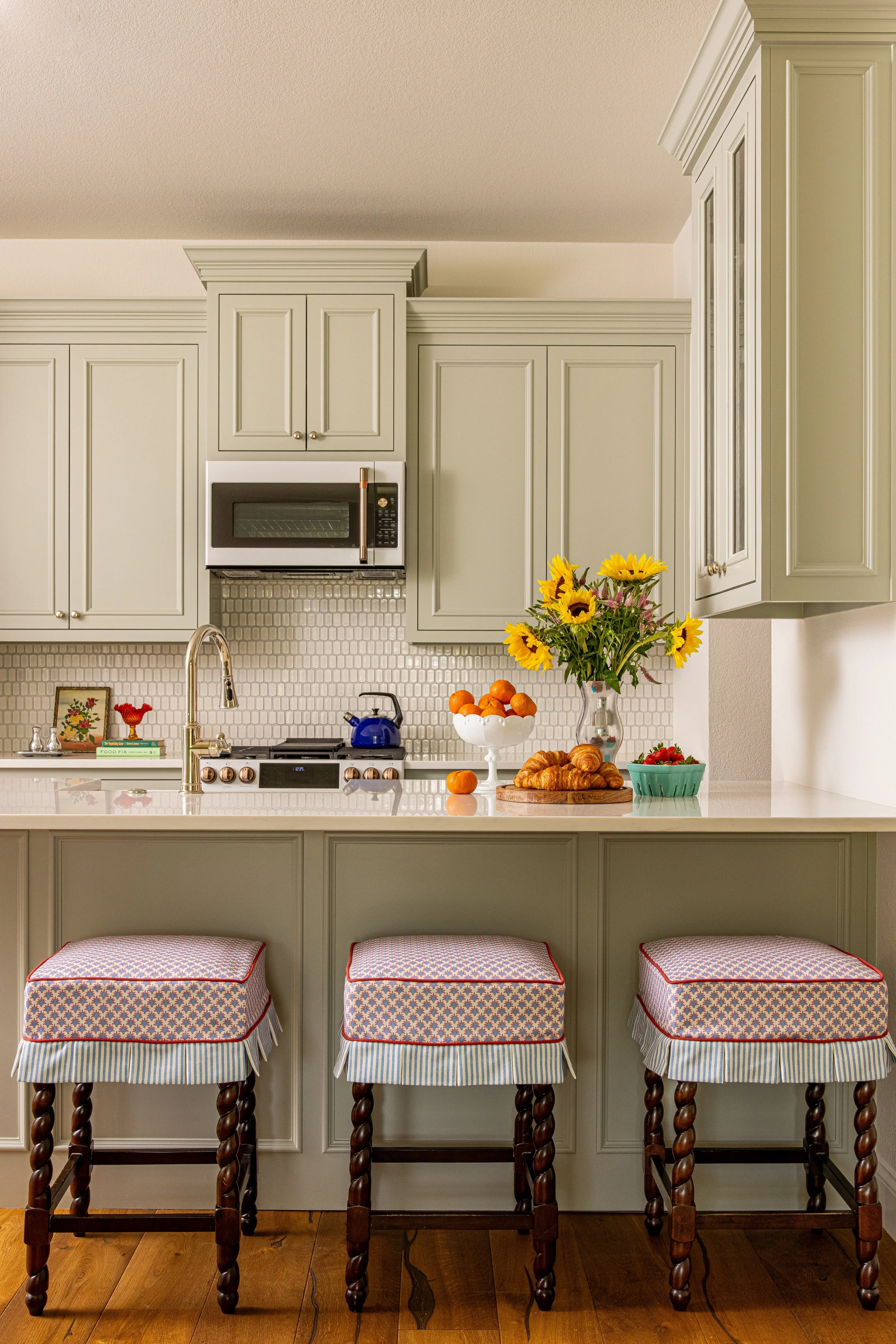
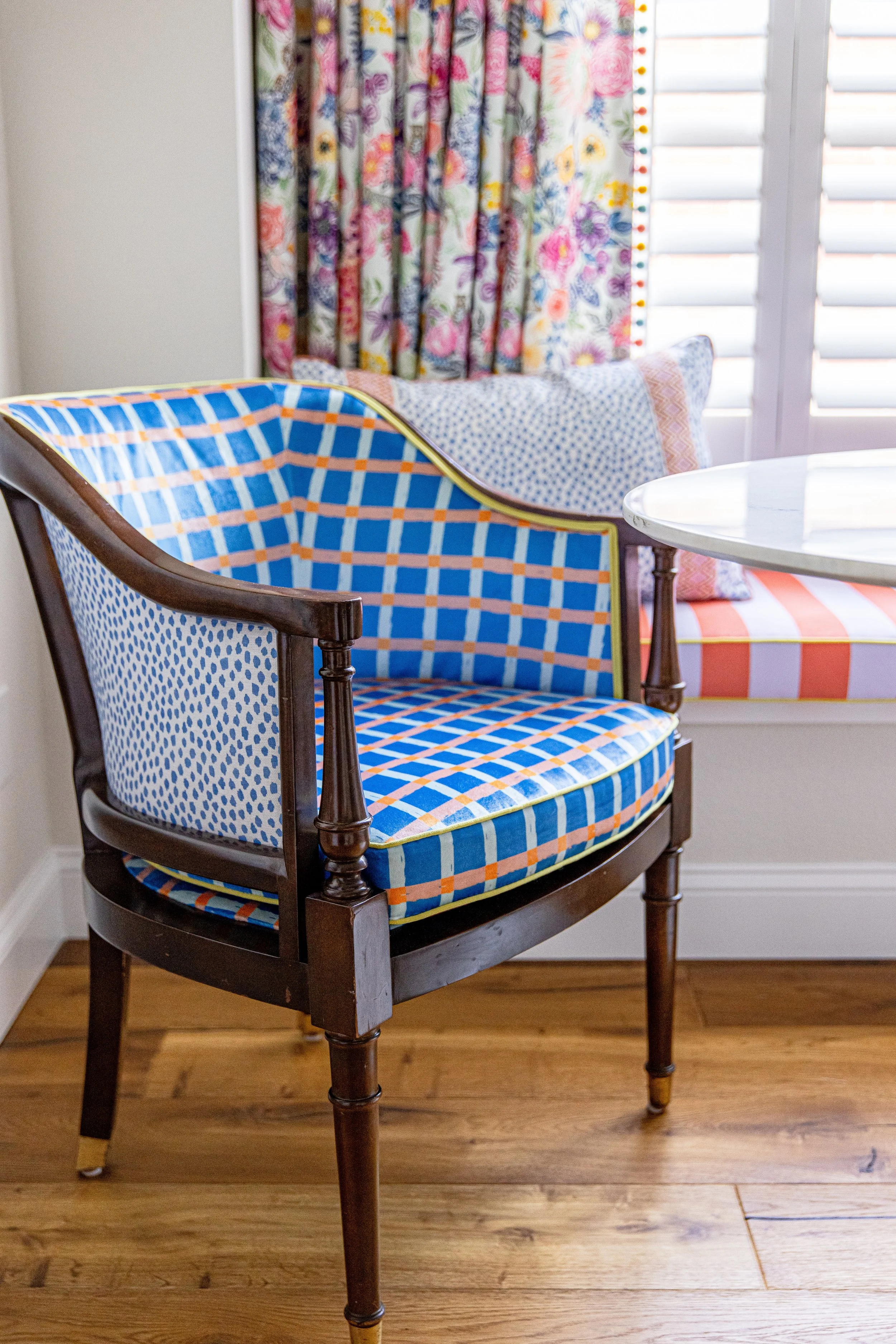
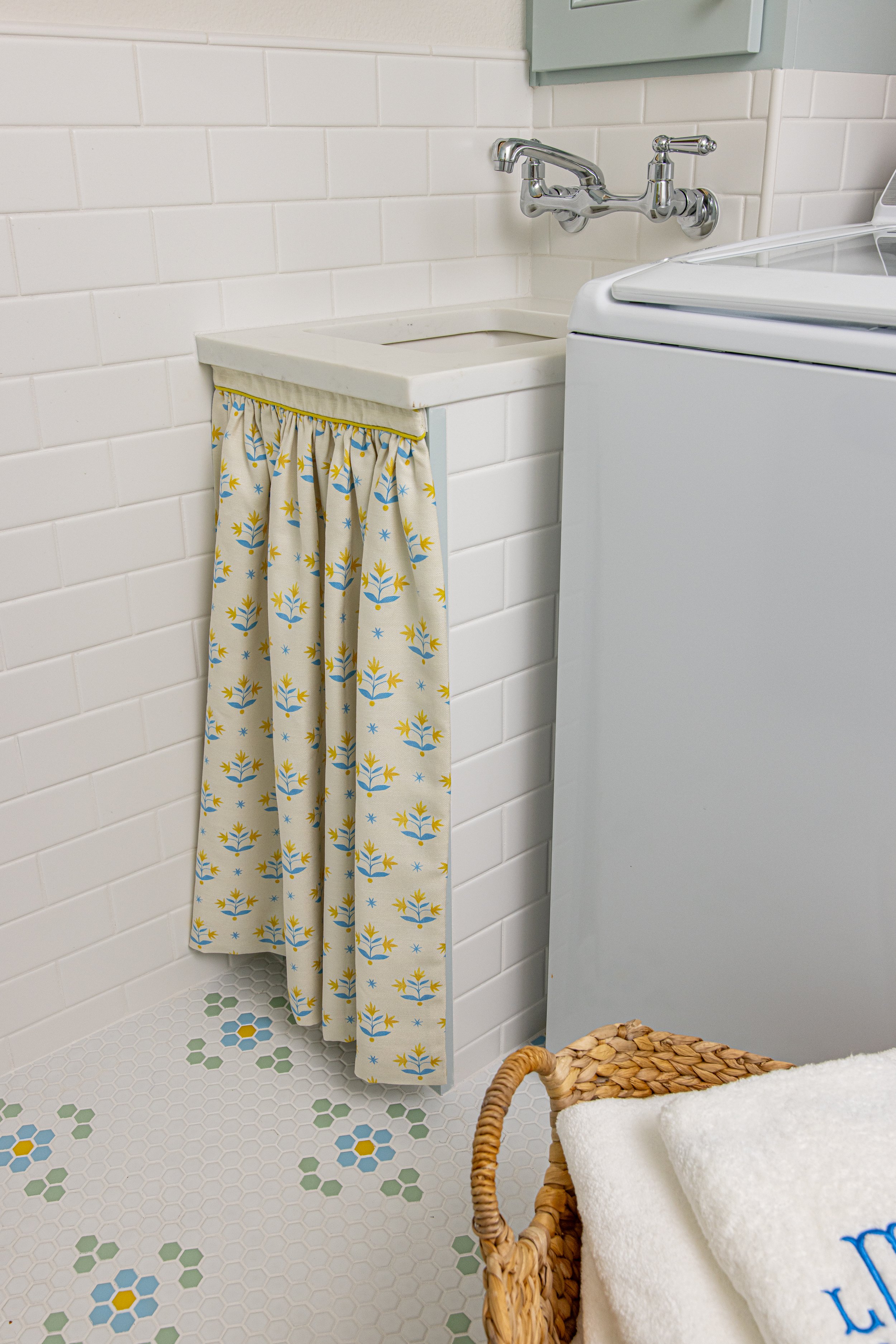
When you're shopping for upholstery fabric and you can't find this number, ask for it. A reputable workroom or fabric supplier will always have it. These three fabrics below are all for heavy duty use and their rub counts reflect that.
Natural vs. Synthetic: What's the Difference?
You'll encounter both natural and synthetic fibers — and plenty of blends of the two. Here's a quick breakdown of the most common ones and what they're actually good for.
Natural Fibers
Linen is breathable, beautiful, and has that relaxed, lived-in quality that photographs so well. It wrinkles easily and isn't the most stain-resistant, but it's a classic for drapes, pillows, and lighter upholstery. It gets better with age, which I love.
Cotton is versatile, widely available, and usually more affordable than linen or silk. On its own it can be prone to fading and wear, which is why you'll often see it blended with synthetics to improve durability. Cotton is a workhorse — great for almost everything when the construction is right.
Velvet (traditionally cotton or silk based) is having a forever moment, and for good reason. It's rich, it photographs beautifully, and it's more durable than people expect. Cotton velvet in particular holds up well in residential settings and comes in an incredible range of colors.
Silk is gorgeous and I will never stop using it — but be honest with yourself about where it's going. Silk is for low-traffic, handled-with-care applications. Drapery in a formal room, a boudoir pillow, a decorative accent. It fades in direct sunlight and does not love spills.
Wool is underappreciated in residential design. It's naturally stain-resistant, durable, and has a warmth and depth that synthetics struggle to replicate. Bouclé, a loopy, textured wool blend, is one of my favorite upholstery fabrics right now.
Synthetic Fibers
Polyester gets a bad reputation but modern polyester — especially performance polyester — is genuinely impressive. It's fade-resistant, durable, and often cleanable. In a blend, it adds strength and longevity to natural fibers.
Performance fabrics (often branded names like Sunbrella, Crypton, or Revolution) deserve a special mention. These are engineered fabrics designed to resist stains, moisture, fading, and heavy use. They've come a very long way aesthetically — you can find performance fabrics now that look and feel like linen, velvet, even leather. If you have kids, pets, or just real life in your home, I genuinely recommend exploring this category. You do not have to sacrifice beautiful for practical anymore.
Pattern and Repeat: The Math You Need to Know
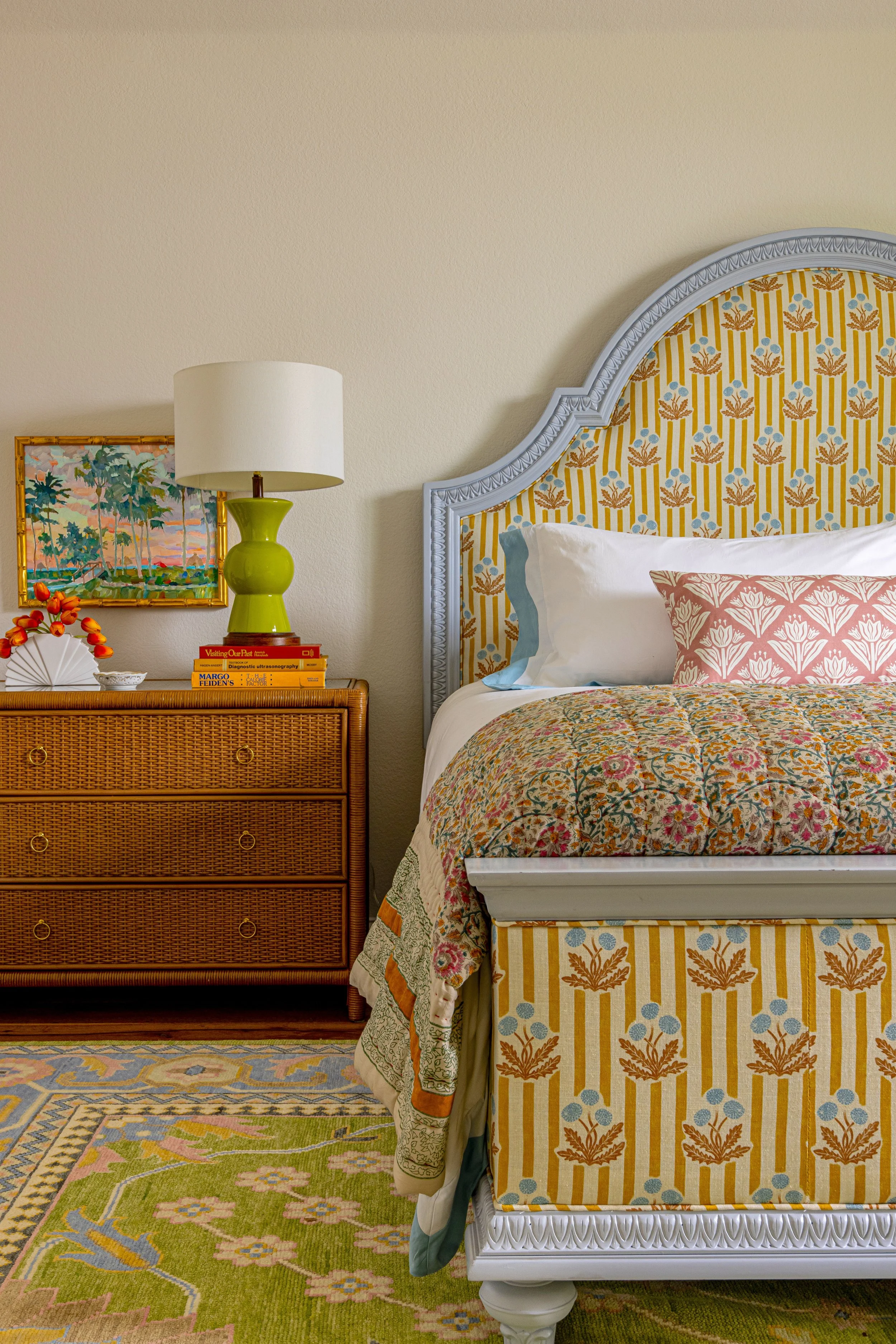
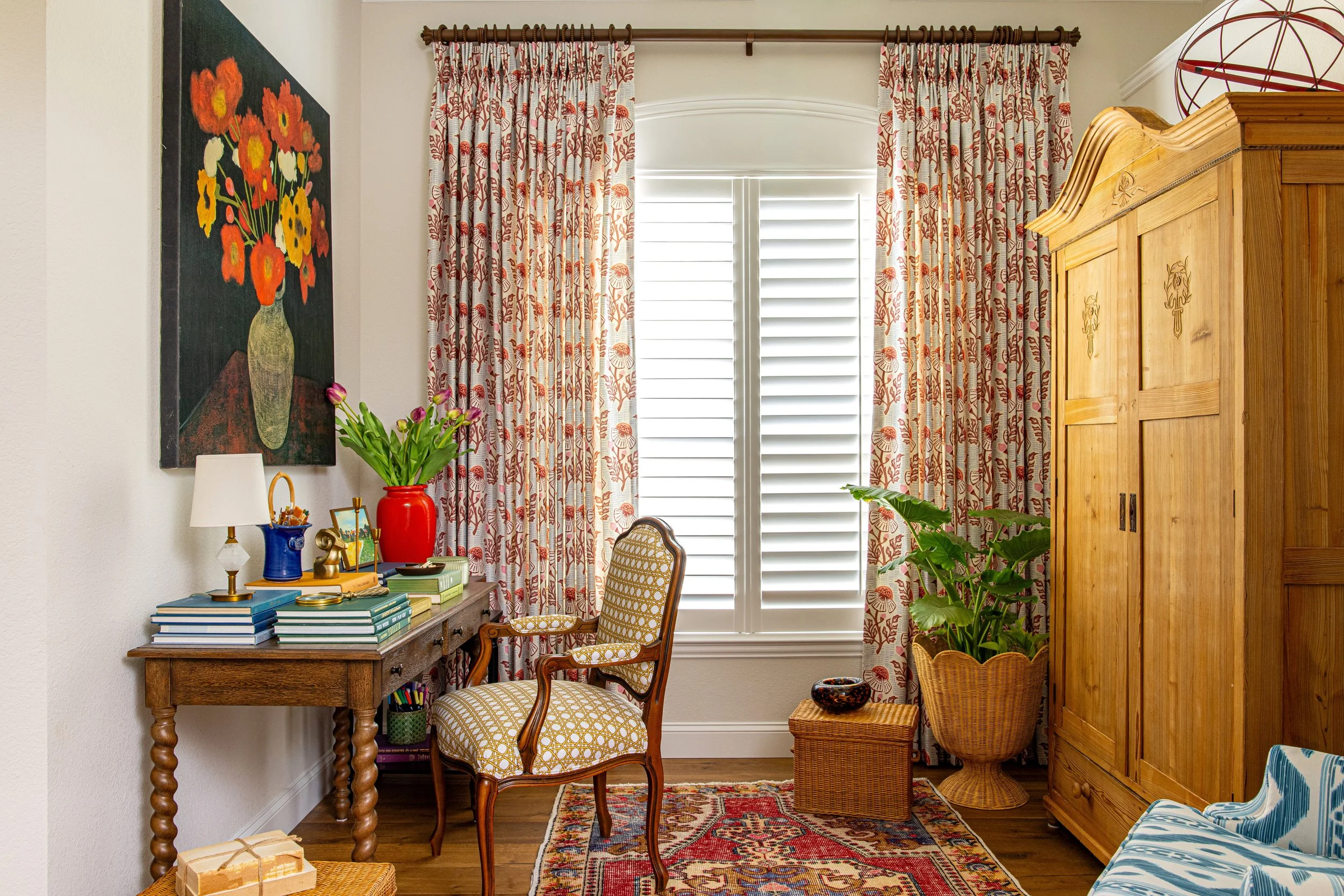
When you choose a patterned fabric, there's something called the pattern repeat — the distance before the design starts over again. This matters for two reasons: visual impact and cost.
A large pattern repeat (say, 24 inches) means your workroom needs to match the pattern across seams, which requires more fabric than the cut yardage alone. For upholstery especially, you can easily need 20–30% more fabric to account for matching. Always ask for the vertical and horizontal repeat measurements before you calculate yardage, or ask your designer or workroom to do it for you.
💡 Pro Tip: If you're on a tight budget, smaller repeats are your friend. They're easier to work with, require less fabric overage, and can still make a big visual impact.
Fabric Weight and Hand
Two terms you'll hear designers use constantly: weight and hand.
Weight is pretty much what it sounds like — how heavy or substantial a fabric feels. Heavier fabrics tend to drape more beautifully, hold their shape better in upholstery, and generally read as more luxurious. Lightweight fabrics are lovely for sheer drapes and layering, but they won't hold up as well in high-contact applications.
Hand refers to how a fabric feels when you touch it — its softness, suppleness, or stiffness. A fabric with a good hand feels right for its intended use. A stiff, scratchy fabric on a sofa cushion is going to drive you crazy no matter how beautiful it looks in photos. Always feel fabric in person when you can.
A Few Things I Wish More Homeowners Knew
Dry-clean only is a commitment. If a fabric requires dry cleaning and it's going on a sofa cushion or a dining chair, think hard about whether that's realistic for how you live. There's no shame in choosing the more practical option — it just means you'll actually enjoy your furniture instead of nervously hovering over it.
Outdoor fabrics can work indoors. Performance fabrics originally designed for outdoor use — like Sunbrella — work beautifully inside, especially in family rooms, breakfast nooks, and anywhere that sees heavy use. Nobody will know. I promise.
Fabric fades. Every fabric, even performance fabrics, will fade over time with sun exposure. If a room gets a lot of direct light, factor that in. Lined drapes help protect upholstery and rugs from UV damage more than most people realize.
Swatches are non-negotiable. Never, ever commit to a fabric without seeing a swatch in your actual space, in your actual light. Colors look completely different on a screen, in a showroom, and in your home at different times of day. Order the swatch. It will save you.
Where to Start If You're Overwhelmed
Here's my honest advice: start with the fabric that excites you most, and build from there. Don't start with the wall color or the sofa finish. Pick the fabric — the one that really makes you happy — and let everything else follow its lead. Want help with prints, stay tuned for my next blog where I talk about pattern mixing and how to do it.
Fabric is the anchor of a room. Get it right, and everything else falls into place.
